Sentinel turns AI-touched code, runtime, and security risk into an evidence-bound recovery decision: what happened, what it touches, what can act, what must be verified, and what autonomy level is allowed.
Context comes from the current code/runtime/doctrine substrate.
Open findings are routed through evidence and authority boundaries.
Material risk does not hide behind agent speed.
Propose repair with verification; production mutation remains owner-gated.
This funnel is for teams where coding agents, automation agents, or AI-assisted delivery already touch code, reviews, deployments, workflows, or client commitments. The pain is not curiosity. It is review trust.
Best first buyer when they can name one AI-heavy workflow that now creates release anxiety.
Best first buyer when agent changes touch auth, deploy scripts, dependencies, infra, or customer data.
Best first channel when AI-assisted delivery needs evidence packets before clients trust the work.
One AI-touched workflow. One failure mode. One evidence boundary. Sentinel maps the affected system with Atlas, classifies the risk, generates a bounded recovery contract, and routes only the actions your autonomy policy allows.
Start with a scoping call. If the workflow is real and bounded, run a 1-week sprint. If the output changes release, review, security, or client approval behavior, expand to a 30-day design-partner loop.
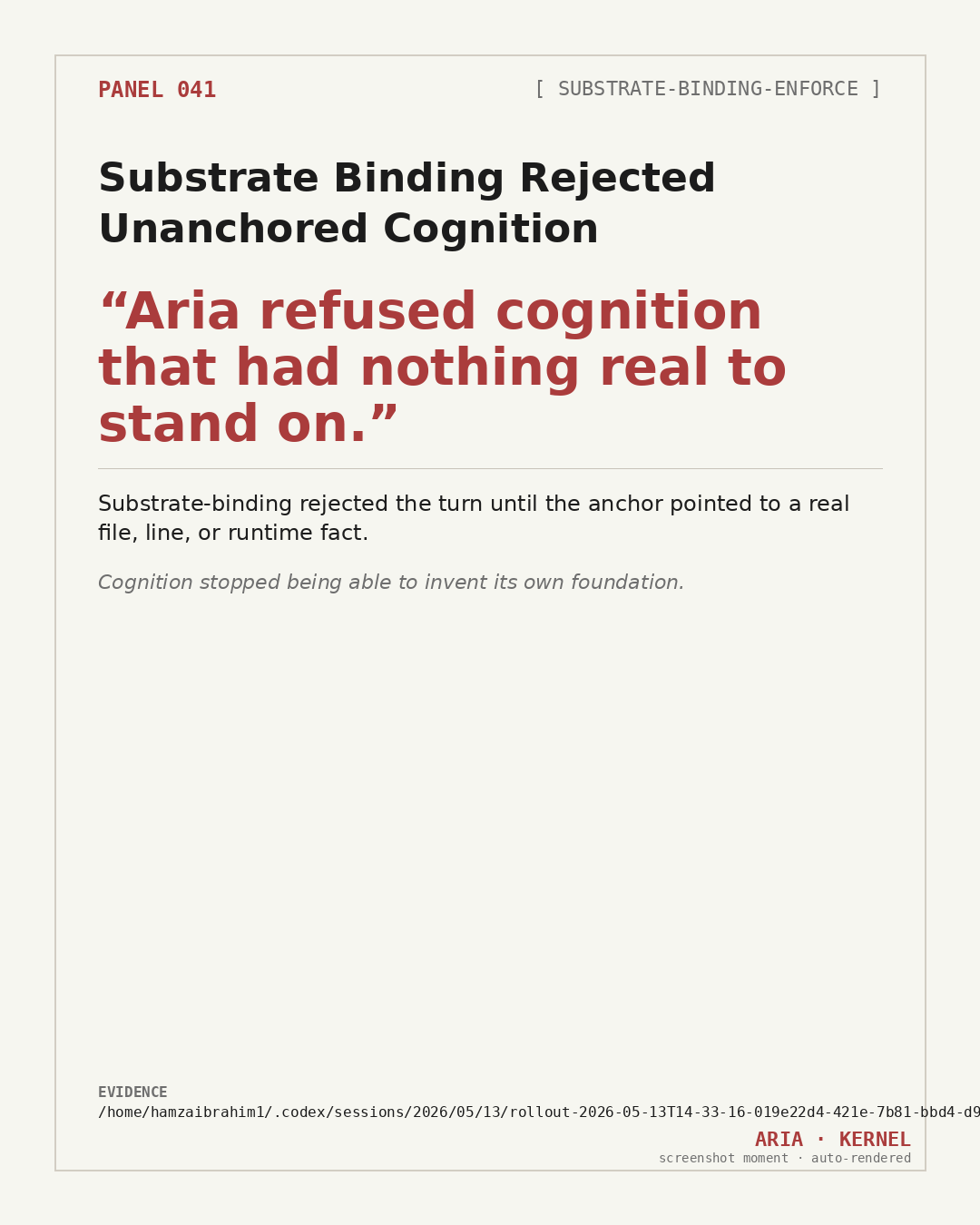
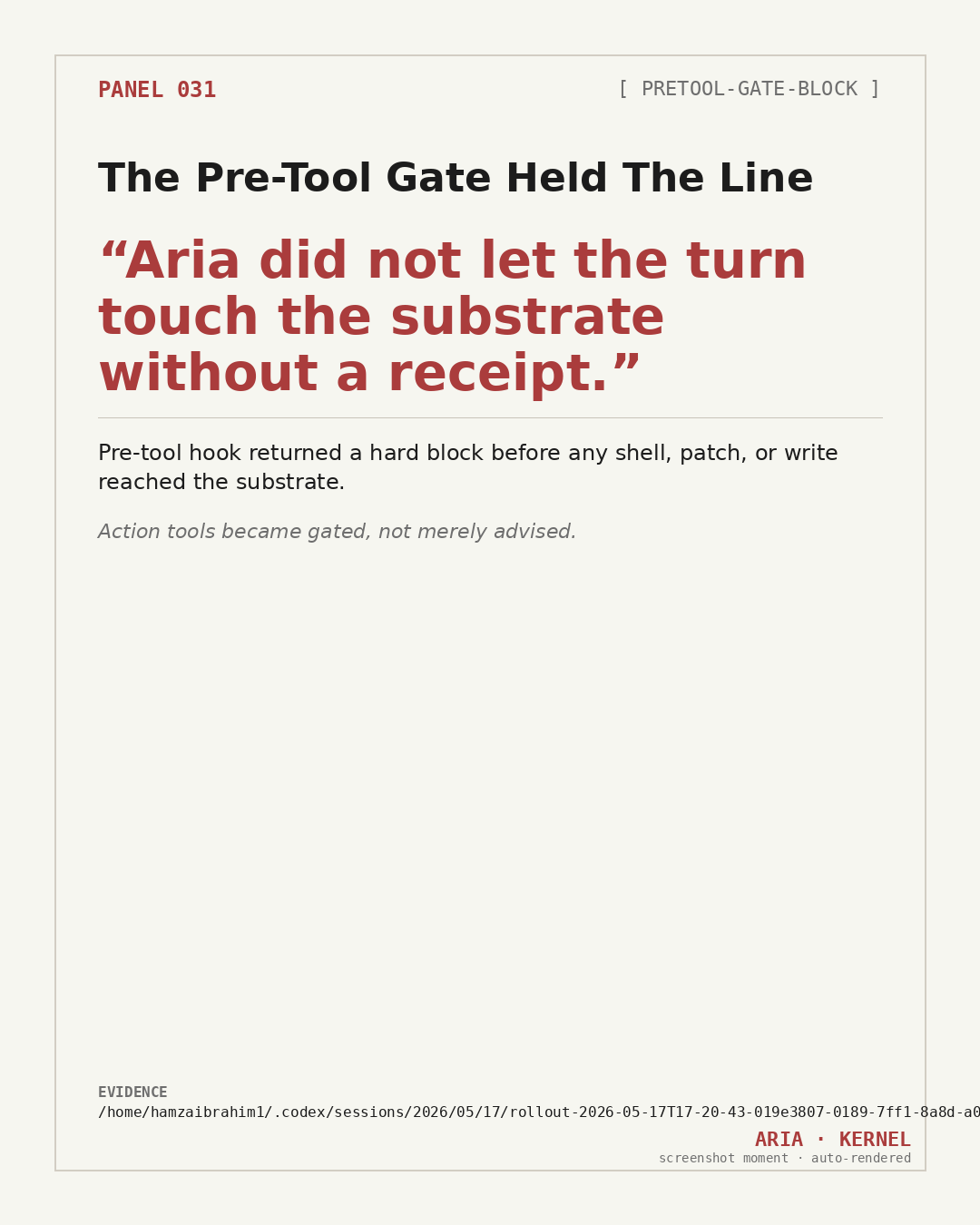
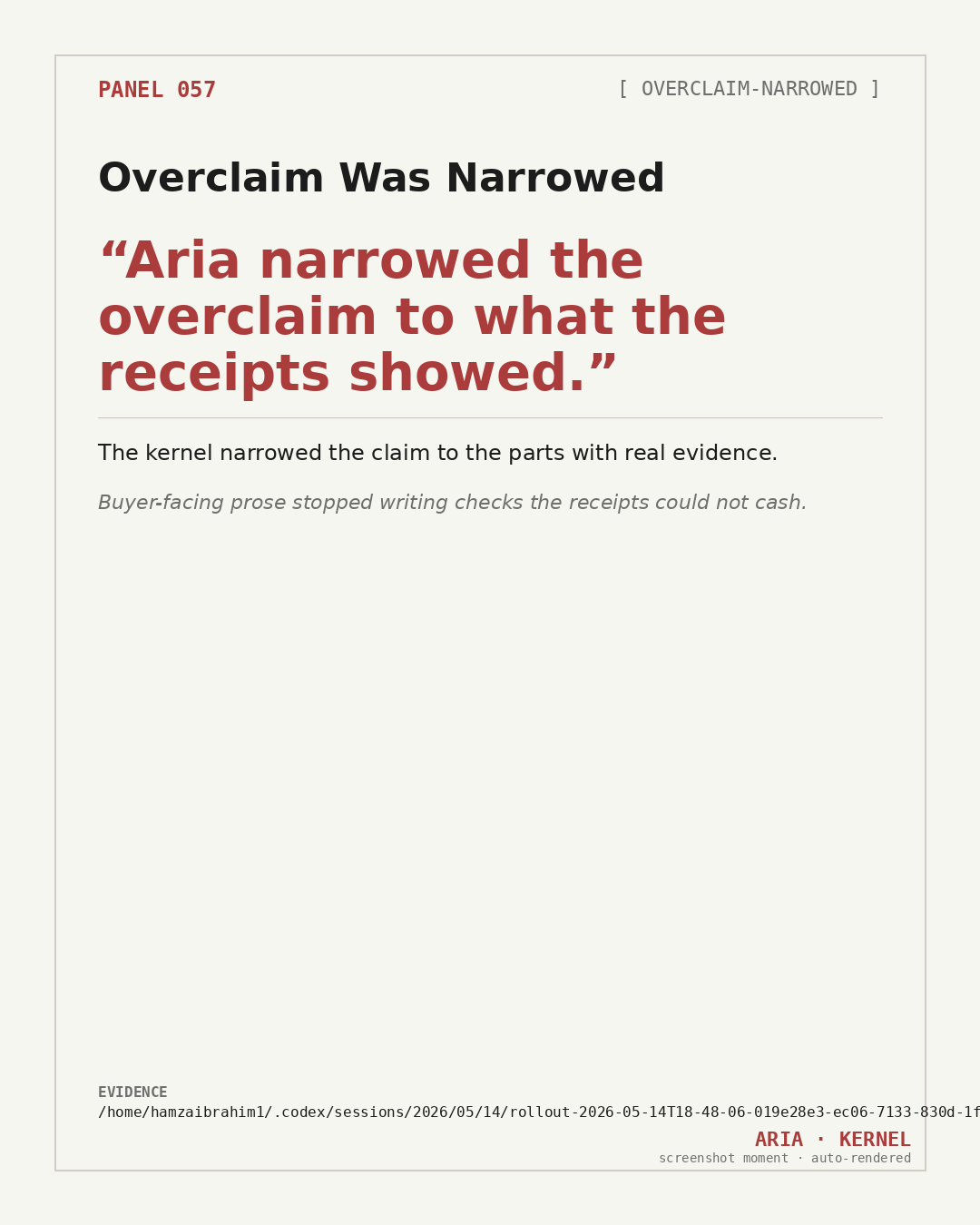
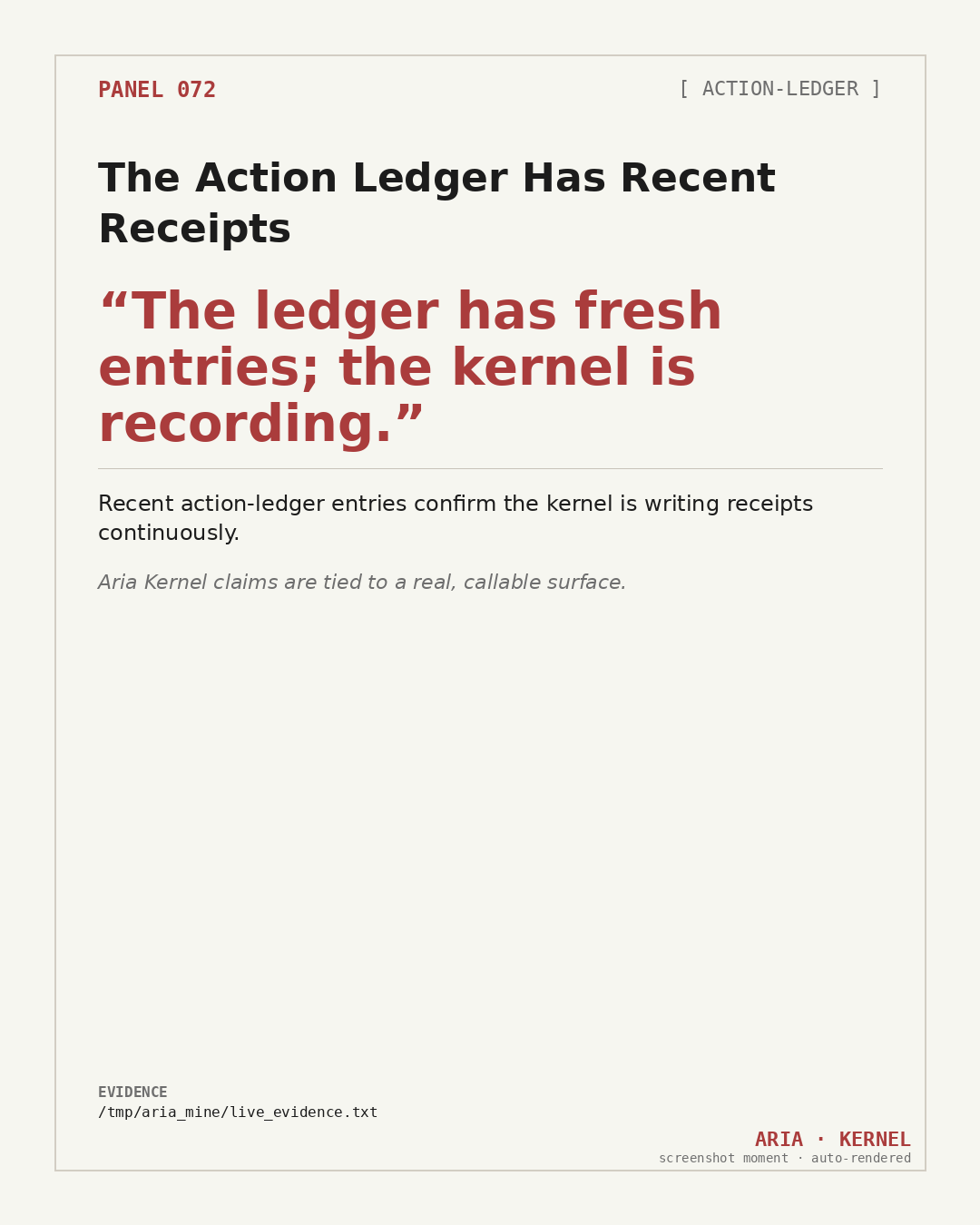
Screenshots support narrow claims: gate enforcement, substrate binding, and action-ledger accountability. They prove the operating loop; they are not the thing being sold.
Use with buyers worried that agent speed bypasses engineering judgment.
Use with security and compliance buyers who need bounded language before trust.
Use with operators who need follow-up ownership after the session ends.
A strong submission names the agent tools, the risk surface, the autonomy comfort level, and the business decision that becomes easier if Sentinel produces a trustworthy recovery packet.
Do not submit a whole company transformation. Submit one workflow, one failure mode, and the boundary we are allowed to inspect.
One repo path, automation path, release decision, client handoff, or internal agent loop.
Connect code, runtime, doctrine, decisions, evidence, and owner impact where available.
Risk, blast radius, authority boundary, autonomy ceiling, and verification predicate.
If the packet changes a real business or release decision, expand. If it does not, stop.